

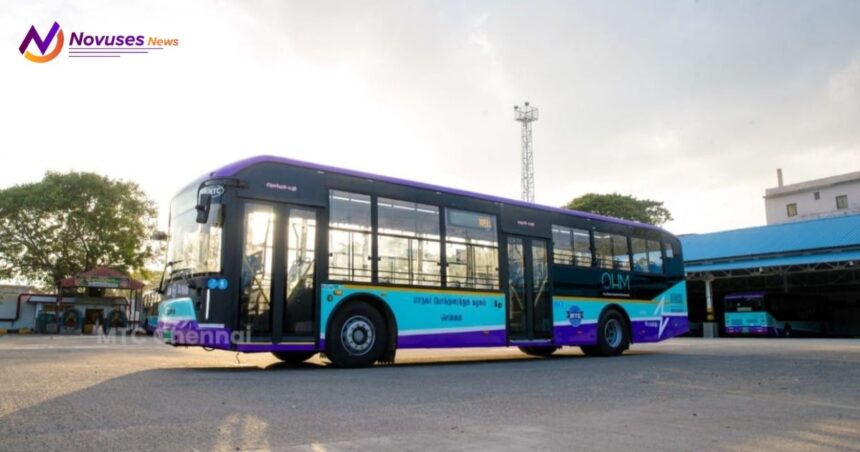
Public transport plays a vital role in shaping the daily life of any major city, and Chennai is no exception. For decades, buses have been the most accessible and widely used mode of transportation for millions of residents. With rising population, traffic congestion, and environmental concerns, the city has reached a point where traditional diesel-powered buses alone are no longer enough. This is where the chennai new electric bus initiative marks a turning point.
The introduction of electric buses is not just a technological upgrade; it reflects a broader vision for cleaner air, smoother commuting, and a more inclusive transport system. By gradually replacing conventional buses with electric alternatives, Chennai is redefining how publicchennai new electric bus transport can serve both people and the environment more responsibly.
Bio Table: Chennai New Electric Bus
| Category | Details |
|---|---|
| Project Name | Chennai New Electric Bus Initiative |
| Launched By | Tamil Nadu Government / MTC Chennai |
| Launch Year | 2025 |
| Operating Authority | Metropolitan Transport Corporation (MTC) |
| Bus Type | Low-floor Electric City Bus |
| Power Source | Battery-operated (Zero Emission) |
| Average Range | Up to 200 km per full charge |
| Charging Time | Around 2 hours (fast charging) |
| Passenger Capacity | 35–40 passengers |
| Key Features | Low floor, CCTV, panic button, USB charging, digital display |
| Environmental Impact | Zero tailpipe emissions, reduced noise pollution |
| Service Areas | Major routes across Chennai city & suburbs |
| Future Expansion | Hundreds more electric buses planned |
Introduction to the Chennai New Electric Bus Initiative
The chennai new electric bus project was launched as part of the city’s efforts to modernize public transport and reduce dependence on fossil fuels. These buses are operated by the Metropolitan Transport Corporation (MTC) and represent a major shift toward sustainable urban mobility. Unlike diesel buses, electric buses run entirely on battery power, producing no exhaust emissions during operation.
This initiative began with a limited number of buses and has steadily expanded across multiple routes and depots. The long-term goal is to build a large, reliable fleet of electric buses that can meet daily commuter demand while reducing pollution and operational strain on the city’s transport system. The rollout reflects careful planning, infrastructure upgrades, and policy support from the state government.
Why Chennai Needed Electric Buses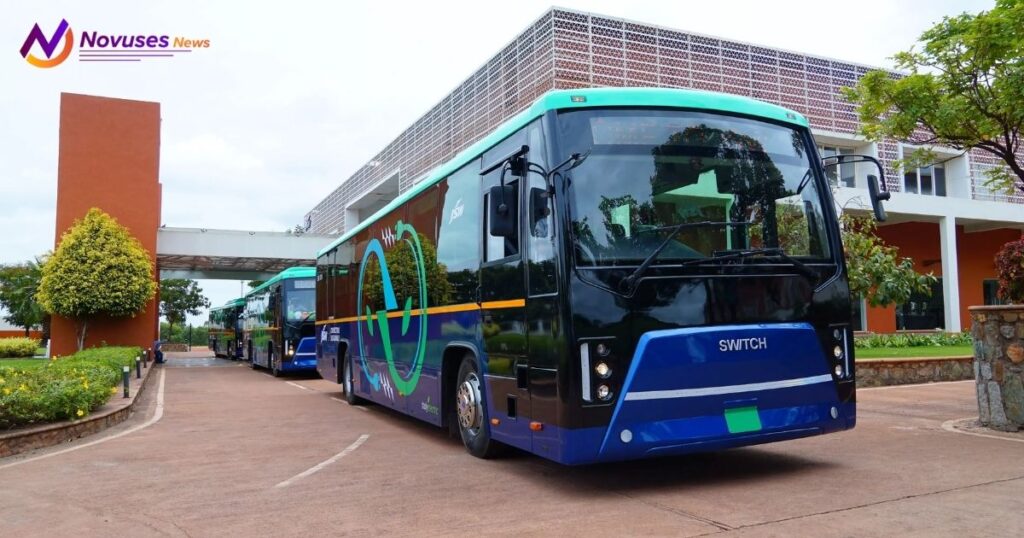
Chennai has long faced challenges related to air pollution, traffic density, and rising fuel costs. Diesel buses, while reliable, contribute significantly to carbon emissions and particulate pollution, especially in high-traffic corridors. Over time, this has had an impact on air quality and public health, particularly for children, senior citizens, and people with respiratory conditions.
The chennai new electric bus addresses these challenges directly. Electric buses do not emit smoke or harmful gases, helping to improve air quality in crowded urban areas. They also operate more quietly, reducing noise pollution along busy roads. For a growing metropolitan city, this shift is essential to balance development with environmental responsibility.
Design and Features of the Chennai New Electric Bus
One of the most noticeable aspects of the chennai new electric bus is its modern design. These buses are built with low-floor architecture, making it easier for passengers to board and exit. This feature is particularly beneficial for elderly commuters, people with disabilities, and parents traveling with children.
Inside the bus, passengers experience a cleaner, more comfortable environment. The seating layout is designed to maximize space while ensuring safety and convenience. Features such as CCTV cameras, emergency panic buttons, digital display boards, and mobile charging points improve both security and comfort. Some electric buses are also air-conditioned, offering relief from Chennai’s intense heat during long journeys.
Improved Commuter Experience and Accessibility
Daily commuters have already begun to notice how the chennai new electric bus improves their travel experience. The ride is smoother due to the absence of engine vibration and gear shifts commonly found in diesel buses. Acceleration and braking are gentler, which makes standing travel safer during peak hours.
Accessibility is another major improvement. The low-floor design and wider entry doors make public transport more inclusive than ever before. Passengers who previously struggled with high steps or crowded entrances now find it easier to use bus services. This inclusive approach ensures that public transport remains a viable option for people from all walks of life.
Environmental Benefits of the Chennai New Electric Bus
One of the strongest arguments in favor of the chennai new electric bus is its positive impact on the environment. Since electric buses produce zero tailpipe emissions, they help reduce carbon dioxide levels and other harmful pollutants that contribute to climate change and poor air quality.
Over time, the large-scale adoption of electric buses can significantly lower the city’s overall carbon footprint. This shift supports broader environmental goals and encourages citizens to choose public transport over private vehicles. Cleaner air, reduced noise, and lower greenhouse gas emissions together create a healthier urban environment for future generations.
Economic and Operational Advantages
Although electric buses require higher initial investment, they offer long-term economic benefits. The chennai new electric bus has fewer moving mechanical parts compared to diesel buses, which reduces maintenance requirements and breakdowns. This leads to lower repair costs and improved service reliability over time.
Energy costs are also more stable compared to fluctuating diesel prices. As charging infrastructure improves and energy management becomes more efficient, electric buses are expected to become increasingly cost-effective. These savings allow transport authorities to invest more in service quality, route expansion, and passenger amenities.
Expansion of Routes and Infrastructure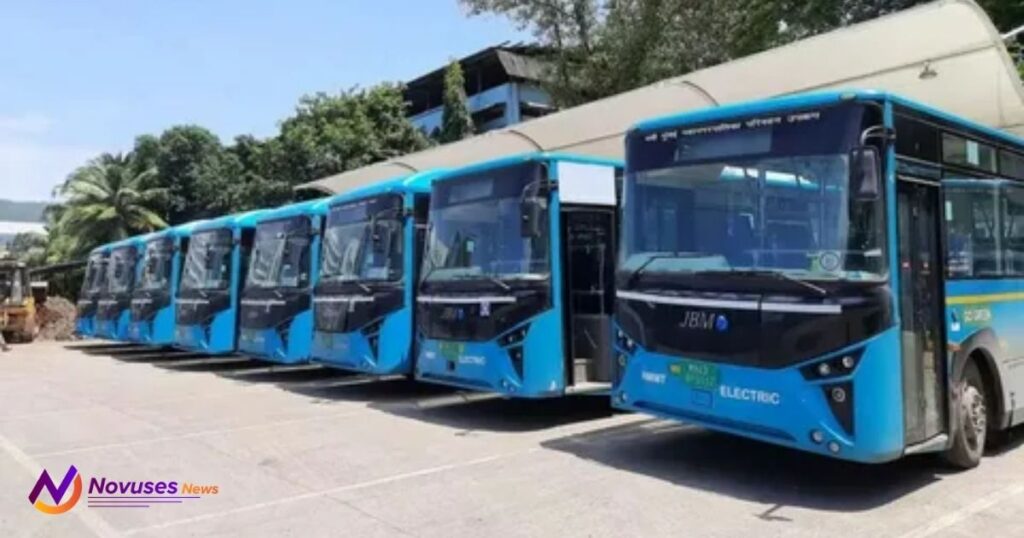
The success of the chennai new electric bus initiative depends heavily on infrastructure development. Charging stations and electric depots have been established across different parts of the city to support smooth operations. These facilities are designed to charge multiple buses efficiently and ensure minimal downtime.
As more electric buses are added to the fleet, routes are being expanded to cover residential areas, commercial hubs, and major transit points. This expansion ensures that electric buses are not limited to select corridors but become a core part of Chennai’s public transport network. With better route coverage, more commuters can benefit from cleaner and more reliable travel.
Role of Government and Policy Support
Strong policy backing has played a crucial role in the growth of the chennai new electric bus project. Government initiatives focusing on sustainable transport, urban development, and climate responsibility have created a favorable environment for electric mobility.
Public-private partnerships have also contributed to efficient operations, allowing professional maintenance and performance-based service standards. This approach ensures accountability while maintaining high-quality service for passengers. Government support continues to be essential for scaling the electric bus network and addressing operational challenges.
Public Response and Everyday Impact
Public response to the chennai new electric bus has been largely positive. Many commuters appreciate the cleaner interiors, reduced noise, and modern facilities. For daily travelers, even small improvements—such as smoother rides and better safety features—make a noticeable difference.
That said, ongoing feedback from passengers is important. As demand grows, authorities must continue to adjust frequency, capacity, and route planning. Listening to commuter experiences ensures that the electric bus system evolves in line with real-world needs and expectations.
The Future of Public Transport in Chennai
The chennai new electric bus represents more than just a new type of vehicle—it signals a shift in how the city approaches mobility. As technology advances and infrastructure improves, electric buses are expected to become the backbone of Chennai’s public transport system.
Looking ahead, the city has the opportunity to integrate electric buses with metro rail, suburban trains, and last-mile connectivity options. This coordinated approach can reduce traffic congestion, improve travel efficiency, and encourage sustainable commuting habits across the population.
Conclusion
The introduction of the chennai new electric bus is a meaningful step toward a cleaner, smarter, and more inclusive public transport system. By improving commuter comfort, reducing environmental impact, and lowering long-term operational costs, electric buses are reshaping everyday travel in Chennai.
As the fleet expands and services improve, electric buses will continue to play a central role in the city’s growth. For commuters, this means better journeys. For the city, it means progress toward a healthier and more sustainable future.
Frequently Asked Questions (FAQs)
What is the Chennai new electric bus?
The chennai new electric bus is a battery-powered public transport bus introduced to reduce pollution and modernize city travel.
Who operates the Chennai new electric bus service?
The service is operated by the Metropolitan Transport Corporation (MTC), Chennai, under state government supervision.
How is the electric bus different from diesel buses?
Electric buses produce no exhaust emissions, run more quietly, and offer smoother rides compared to diesel-powered buses.
Are Chennai new electric buses air-conditioned?
Some models are non-AC, while newer additions include air-conditioned electric buses on select routes.
Is the Chennai new electric bus suitable for elderly passengers?
Yes. The low-floor design and wider doors make boarding easier for elderly and differently-abled passengers.