


Ongoing ear pressure is a common but often misunderstood condition that affects people of all ages. It is usually described as a feeling of fullness, tightness, or blockage in one or both ears that does not easily go away. This sensation can interfere with hearing, cause mild discomfort, and sometimes lead to headaches or balance issues, especially when it lasts for a long time.
In many cases, medication for clogged ear becomes necessary when simple methods like swallowing, yawning, or resting do not bring relief. Persistent ear pressure is often a sign that the ear is struggling to regulate air or fluid properly. Understanding the role of medication can help people manage symptoms effectively and avoid unnecessary stress or complications.
Benefits of Medication for Clogged Ear
| Benefit | How It Helps |
|---|---|
| Relieves ear pressure | Reduces the uncomfortable feeling of fullness caused by fluid, congestion, or blockage |
| Improves hearing clarity | Clears blockages so sound can travel properly through the ear |
| Reduces inflammation | Calms swelling in the ear canal and Eustachian tube |
| Helps drain trapped fluid | Encourages proper airflow and fluid movement in the middle ear |
| Eases sinus-related discomfort | Supports ear pressure relief caused by sinus congestion |
| Treats underlying infection | Antibiotic medications help remove infection-based blockage |
| Prevents recurring ear blockage | Regular and correct use lowers the chance of repeated clogging |
| Improves daily comfort | Makes speaking, sleeping, and focusing easier |
| Supports ear balance | Reduces dizziness linked with ear pressure issues |
| Safe when used correctly | Most medications are well-tolerated under proper guidance |
What Medication for Clogged Ear Means
Medication for clogged ear is a broad term that refers to treatments used to relieve ear blockage, pressure, or fullness. These medications work by addressing the underlying cause, whether it is inflammation, fluid buildup, earwax accumulation, or infection. Rather than being a single cure, medication for clogged ear is chosen based on the individual’s symptoms and condition.
For ongoing ear pressure, medication is often used over several days or weeks. The goal is not just temporary relief, but long-term improvement in ear function. When used correctly, medication for clogged ear can restore comfort, improve hearing clarity, and prevent recurring pressure.
Common Causes of Persistent Ear Pressure

One of the main reasons people experience ongoing ear pressure is dysfunction of the Eustachian tube. This small passage helps equalize pressure between the middle ear and the outside environment. When it becomes inflamed or blocked, pressure builds up and creates the clogged sensation.
Other common causes include chronic sinus congestion, seasonal allergies, frequent colds, and earwax buildup. In some cases, mild but recurring ear infections may also contribute. Identifying these causes is essential, as medication for clogged ear works best when it targets the specific problem.
Earwax and Its Role in Ear Blockage
Earwax is a natural substance that protects the ear canal, but excessive buildup can cause blockage and pressure. When wax hardens and becomes impacted, it traps sound and air, leading to discomfort and reduced hearing.
Medication for clogged ear related to earwax usually focuses on softening the wax so it can move out naturally. These treatments are generally gentle and effective when used as directed. For people who experience repeated wax buildup, regular management can prevent ongoing pressure.
Decongestants for Sinus-Related Ear Pressure
Sinus congestion is a frequent cause of ear pressure, especially during colds or seasonal changes. Swollen nasal passages can block the Eustachian tube, preventing proper airflow and drainage. This leads to a feeling of fullness in the ear.
Medication for clogged ear in the form of decongestants helps reduce this swelling. By opening the nasal passages and Eustachian tubes, these medications allow pressure to balance and fluid to drain. Many people notice relief within a short time when congestion is the main issue.
Antihistamines and Allergy-Driven Symptoms
Allergies can cause ongoing ear pressure by triggering inflammation and fluid buildup in the ear and surrounding areas. Symptoms often worsen during certain seasons or exposure to allergens such as dust or pollen.
Medication for clogged ear related to allergies often includes antihistamines. These medications calm the body’s allergic response, reducing swelling and discomfort. When used consistently during allergy periods, they can prevent ear pressure from becoming a long-term problem.
Steroid-Based Medication for Chronic Pressure
When ear pressure becomes chronic and does not respond to basic treatments, steroid-based medication may be recommended. These medications work by reducing deeper inflammation in the nasal passages or Eustachian tubes.
Medication for clogged ear that includes steroids is usually part of a carefully monitored treatment plan. While relief may not be immediate, these medications can provide lasting improvement for people with recurring or severe ear pressure.
Antibiotics and Infection-Related Blockage
In some cases, ongoing ear pressure is caused by a bacterial infection. This may involve fluid trapped behind the eardrum, leading to discomfort and muffled hearing. When an infection is present, antibiotics may be necessary.
Medication for clogged ear involving antibiotics targets the infection directly. Once the infection clears, swelling reduces and pressure often resolves. It is important that antibiotics are used only when appropriate and under medical guidance.
Age and Medication Considerations
Age is an important factor when choosing medication for clogged ear. Children, adults, and older individuals may respond differently to certain treatments. Some medications are suitable for adults but require caution in younger or older age groups.
For older adults, ongoing ear pressure may be linked to chronic sinus issues or age-related changes in ear structure. Medication choices are often adjusted to ensure safety while still providing effective relief.
Physical Factors That Affect Ear Pressure
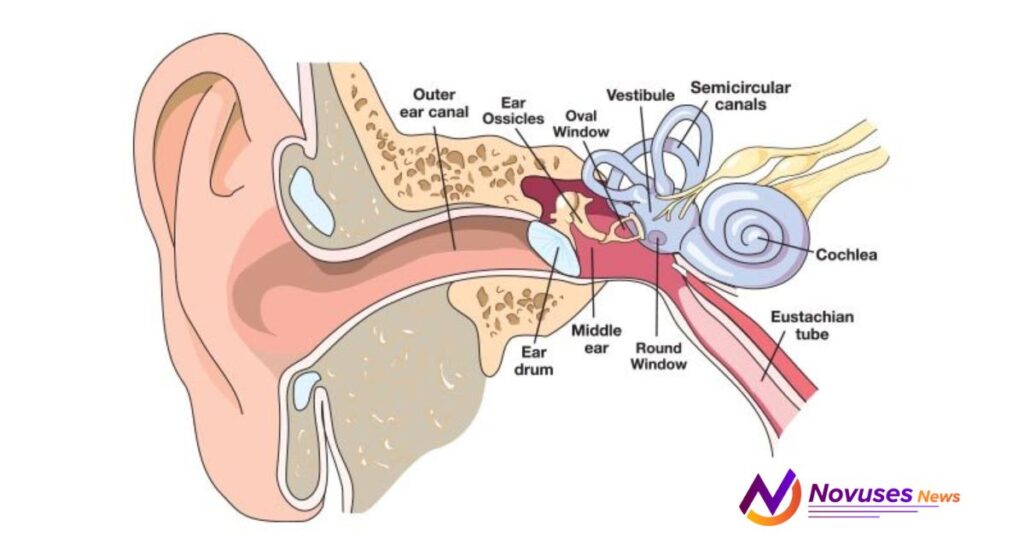
Physical features such as nasal structure, sinus health, and ear anatomy can influence how easily pressure builds up. People with narrow Eustachian tubes or frequent sinus congestion may experience recurring symptoms.
Medication for clogged ear works best when these physical factors are considered. A personalized approach ensures that treatment addresses not only symptoms but also contributing conditions.
Lifestyle and Family Influences
Family history can play a role in ear health. Some individuals inherit a tendency toward allergies, sinus problems, or excessive earwax production. These factors can increase the likelihood of ongoing ear pressure.
Lifestyle habits such as frequent air travel, smoking exposure, or unmanaged allergies can also worsen symptoms. Medication for clogged ear is more effective when combined with lifestyle awareness and preventive care.
Impact on Daily Life and Comfort
Ongoing ear pressure can affect daily activities in subtle but meaningful ways. Difficulty hearing clearly may lead to frustration during conversations, while constant discomfort can affect concentration and sleep.
Using medication for clogged ear appropriately can restore comfort and confidence. Relief from pressure often improves overall well-being, even if the condition was not outwardly visible.
Safety and Responsible Medication Use
Safe use of medication for clogged ear involves following instructions carefully and avoiding unnecessary combinations of treatments. Overuse or misuse can irritate the ear or delay recovery.
If symptoms persist despite medication, professional evaluation is important. Responsible use ensures that medication supports healing rather than masking a more serious issue.
When to Seek Medical Advice
While many cases of ear pressure improve with medication, some require further evaluation. Persistent pain, hearing loss, or discharge from the ear should not be ignored.
A healthcare provider can determine whether medication for clogged ear is sufficient or if additional treatment is needed. Early advice can prevent complications and ensure proper care.
Final Thoughts on Medication for Clogged Ear
Medication for clogged ear plays a crucial role in managing ongoing ear pressure when symptoms do not resolve on their own. By addressing causes such as congestion, allergies, wax buildup, or infection, these treatments help restore balance and comfort.
Understanding how and when to use medication for clogged ear empowers individuals to take control of their ear health. With informed choices and proper care, ongoing ear pressure can be managed effectively and safely.